
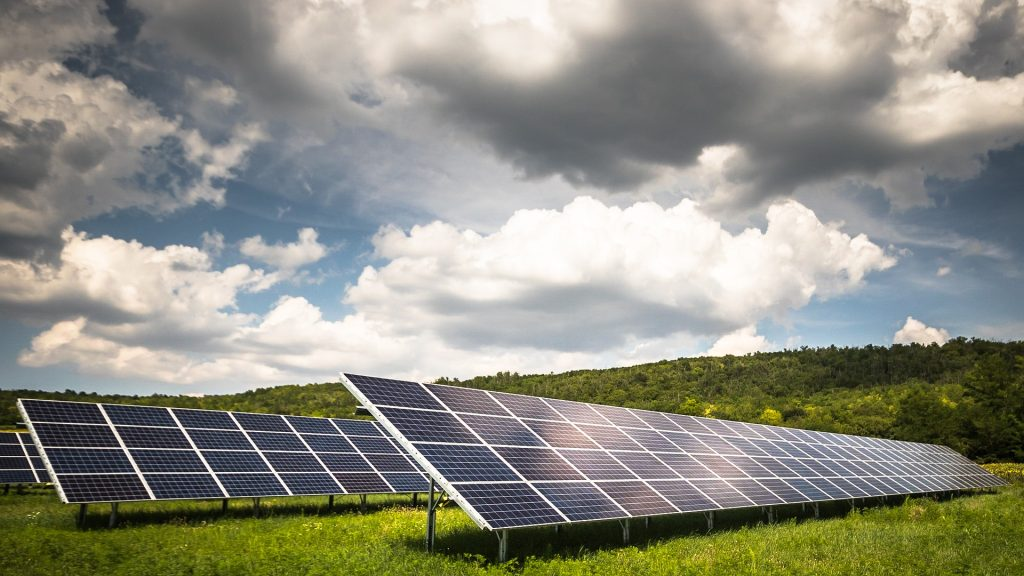
As Pakistan grapples with an ongoing energy crisis, the need for sustainable and reliable energy sources has never been more critical. With frequent power outages and an ever-increasing demand for electricity, the nation’s energy grid is under significant strain. In this context, solar energy emerges as a promising solution that not only alleviates pressure on the national grid but also offers a path toward a more the Impact of Solar Energy on Pakistan’s Energy Grid
This article explores solar energy’s profound impact on Pakistan’s grid, covering benefits, challenges, and potential for widespread adoption. We will highlight how Solar Karachi leads the renewable energy revolution with cutting-edge solar solutions that boost national energy security.
The Current State of Pakistan’s Energy Grid
To understand the impact of solar energy, it is essential first to examine the current state of Pakistan’s energy grid. Pakistan’s energy infrastructure is characterized by a mix of thermal, hydroelectric, nuclear, and renewable energy sources. However, the reliance on fossil fuels, particularly natural gas and oil, has created vulnerabilities, including fluctuating fuel prices, environmental pollution, and dependency on imports.
The country’s electricity demand has outpaced supply, leading to frequent load shedding and blackouts, particularly during peak summer months. This energy deficit has had a profound impact on the economy, disrupting industrial activities, limiting access to basic services, and contributing to social unrest.
In recent years, the government has made concerted efforts to diversify the energy mix by investing in renewable energy sources, with solar power playing a pivotal role in this transition.
The Rise of Solar Energy in Pakistan
Pakistan’s abundant sunshine, with 5.5 to 6.5 kWh/m²/day of solar radiation, makes it ideal for solar energy generation.
NEPRA and AEDB’s policies promote solar adoption with feed-in tariffs, net metering, and tax incentives for installations. These initiatives have led to a surge in both residential and commercial solar projects across the country.
Benefits of Solar Energy for Pakistan’s Energy Grid
The integration of solar energy into Pakistan’s energy grid offers numerous benefits that can help address the country’s energy challenges. Some of the key advantages include:
- Reduction in Load Shedding: Solar energy can help alleviate the burden on the national grid by providing additional capacity, particularly during peak demand periods. This can lead to a reduction in load shedding and improve the reliability of electricity supply across the country.
- Decentralization of Energy Production: Solar energy systems, particularly rooftop installations, promote decentralized energy production. This reduces the strain on transmission and distribution networks and minimizes transmission losses, which are a significant issue in Pakistan’s energy sector.
- Environmental Benefits: Solar energy is a clean, renewable source of power that does not produce greenhouse gas emissions. By reducing reliance on fossil fuels, solar energy can help mitigate the environmental impact of electricity generation and contribute to Pakistan’s climate change goals.
- Energy Independence: Harnessing solar resources will help Pakistan reduce dependency on imported fuels, improve energy security, and lessen exposure to global price fluctuations.
- Economic Growth: The growth of the solar industry has the potential to create jobs, stimulate investment, and foster technological innovation. The development of a robust solar sector can contribute to economic growth and support Pakistan’s transition to a knowledge-based economy.
Challenges of Integrating Solar Energy into Pakistan’s Energy Grid
Although the benefits of solar energy are clear, integrating it into Pakistan’s energy grid presents challenges that need addressing to fully realize its potential:
- Intermittency: Solar energy is inherently intermittent, as it depends on sunlight availability. This variability can pose challenges for grid stability, particularly if solar energy constitutes a significant share of the energy mix. To address this issue, investments in energy storage technologies and grid management systems are essential.
- Grid Infrastructure: Pakistan’s aging and underdeveloped grid infrastructure is ill-equipped to handle large-scale integration of renewable energy sources. Upgrading transmission and distribution networks, along with implementing smart grid technologies, is crucial for accommodating the growth of solar energy.
- Financing and Investment: Despite government incentives, the upfront costs of solar installations remain a barrier for many households and businesses. Access to affordable financing options and long-term investment in the solar sector is necessary to accelerate adoption.
- Regulatory Hurdles: Although policies like net metering exist, inconsistent regulations and bureaucratic delays can impede solar project deployment. Streamlining regulatory processes and ensuring a stable policy environment are key to fostering growth in the solar industry.
- Public Awareness and Education: Raising awareness and educating the public on solar energy’s benefits and technical aspects is essential for widespread adoption. Public campaigns and community engagement initiatives can help overcome misconceptions and build trust in solar technology.
The Role of Solar Karachi in Pakistan’s Solar Revolution
As Pakistan embraces the potential of solar energy, Solar Karachi is playing a pivotal role in driving this transformation. Solar Karachi leads Pakistan’s renewable energy movement by offering high-quality, affordable, and sustainable solar solutions.
1. Comprehensive Solar Solutions: Solar Karachi offers a range of solar products and services, including residential, commercial, and industrial solar installations. Solar Karachi offers end-to-end solutions, including panels, inverters, and battery storage, tailored to meet each customer’s unique energy needs.
2. Expertise and Experience: With years of solar industry experience, Solar Karachi’s experts offer technical knowledge and insights for custom system design and regulatory navigation, ensuring a smooth transition to solar energy.
3. Commitment to Quality: Solar Karachi partners with leading manufacturers to source high-quality solar panels and components that are built to last. With a focus on reliability and performance, Solar Karachi’s installations deliver maximum energy output and long-term savings.
4. Support for Grid Integration: Solar Karachi is committed to supporting the integration of solar energy into Pakistan’s energy grid. Solar Karachi offers solutions for net metering and grid-tied systems, enabling customers to contribute to the grid and enjoy solar power.
5. Community Engagement: Solar Karachi is dedicated to raising awareness about the benefits of solar energy and empowering communities to make the switch to renewable energy. Through educational initiatives and outreach programs, Solar Karachi is helping to build a sustainable energy future for Pakistan.
The Future of Solar Energy in Pakistan
The future of solar energy in Pakistan is bright, with the potential to revolutionize the country’s energy landscape. Several trends and developments are shaping the future of solar energy in Pakistan:
- Expansion of Solar Projects: Large-scale solar projects, including solar parks and utility-scale installations, are expected to play a significant role in Pakistan’s energy mix. These projects will provide substantial capacity additions, contributing to the stabilization of the national grid.
- Advancements in Solar Technology: Advancements in solar technology, such as efficient panels, energy storage, and smart grid integration, will boost solar energy’s viability and reliability in Pakistan.
- Policy and Regulatory Support: Ongoing government support, including policies that incentivize solar adoption and invest in grid infrastructure, will be crucial for the solar sector’s growth. A stable and conducive policy environment will attract investment and drive innovation.
- Increased Public Adoption: As awareness about the benefits of solar energy grows, more households and businesses are expected to adopt solar solutions. The availability of financing options and the decreasing costs of solar technology will further accelerate this trend.
- Integration with Other Renewables: Integrating solar energy with wind and hydroelectric power will diversify and strengthen the energy grid, enhancing its resilience. Hybrid systems and microgrids will offer new opportunities for energy independence and sustainability.
Embracing Solar Energy for a Sustainable Future
The impact of solar energy on Pakistan’s energy grid is undeniable. Therefore, as the country tackles rising energy demand and carbon reduction, solar power offers a sustainable and economically beneficial solution. Addressing grid integration and supporting policy improvements will help Pakistan maximize solar energy’s potential, ensuring a greener, more resilient future.
Solar Karachi proudly contributes expertise, technology, and support; consequently, it makes solar energy accessible and impactful. Whether you want to cut energy bills or boost the national grid, Solar Karachi helps you harness solar power for a positive impact.